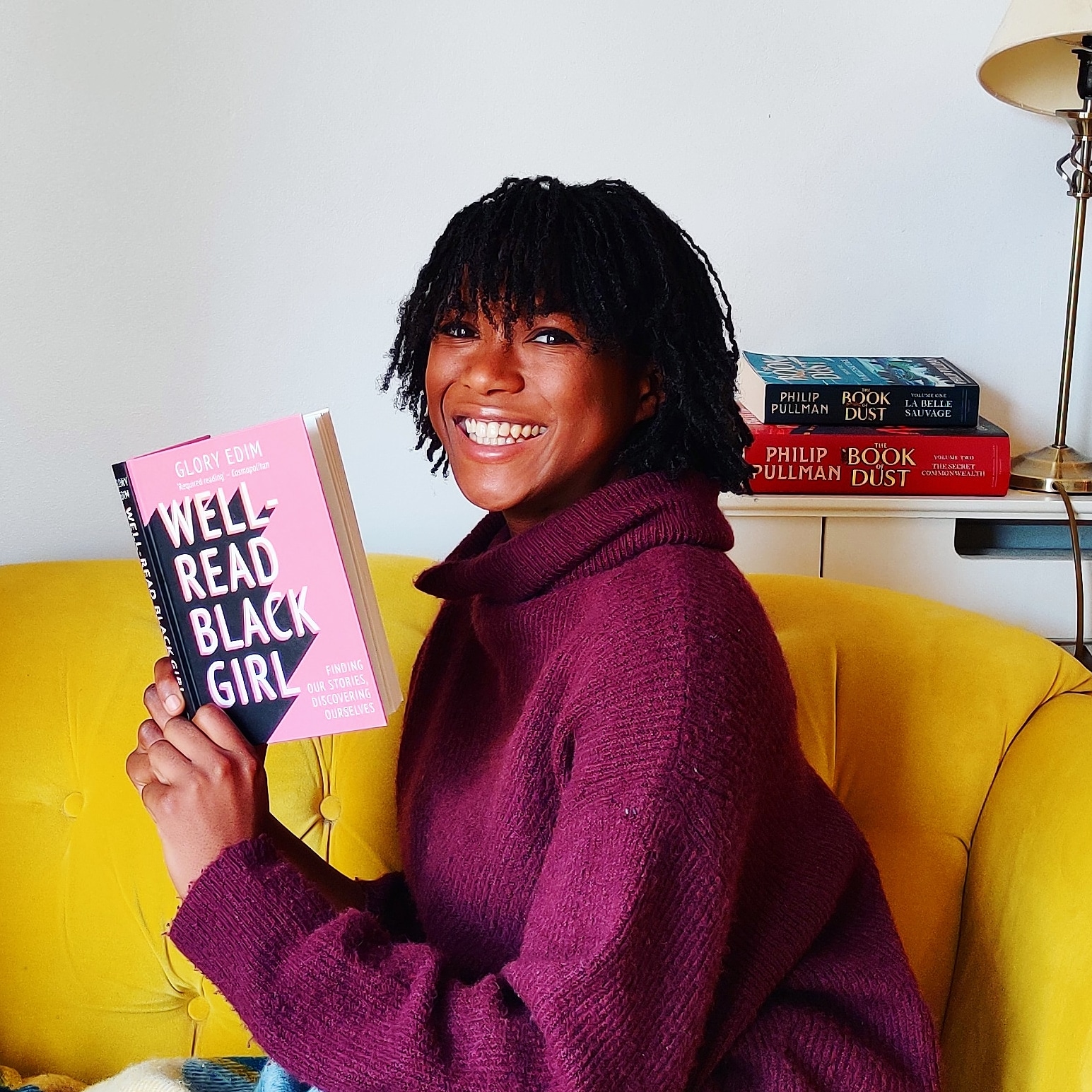

We’re halfway through the year so here are some more mini-reviews of the memoirs I’ve listened to on audio recently. These have been stacking up for the last few months so it’s good to *finally* share my thoughts on them. Comment if you’ve read any of these and if you agree/disagree!
‘Finding Me’ by Viola Davis

THE PLOT: ‘Finding Me’ by Viola Davis is a memoir about the award-winning actresses’ upbringing in poverty. Filled with heart-wrenching stories, such as how the other kids at school used to chase her home each day and shout racist abuse at her, and living hungry in crumbling apartments filled with rats, it charts how Viola fell in love with acting and became a success despite the odds. From attending Julliard to landing her breakout role on ‘How to Get Away with Murder’, Viola’s memoir is not just a rags-to-riches story. It’s a contemplative meditation on the social and political issues that lead to child poverty and what can be done to protect children better.
RATING: This audiobook has the distinction of winning a Grammy and, honestly, it’s very well deserved. This was one of the most impactful, honest, raw, powerful book I have ever read. The racism and poverty, physical and sexual abuse Viola had to endure is astounding. I wept along with this book. It inspired such an outpouring from the very depths of my soul. She has overcome so much adversity to be the woman she is today. But what really made me weep was her grace and honesty and ability to look outside of her personal trauma to understand why her upbringing was so difficult. And as she puts it in context of generational trauma and the legacy of slavery, I believe she does important work and this book will be used as a record of social history for generations to come.
‘Born a Crime’ by Trevor Noah
THE PLOT: ‘Born A Crime’ by Trevor Noah is a memoir about the mixed-race comedian’s upbringing and coming of age in South Africa during Apartheid. Born to a white Swiss father and Black Xhosa mother, Trevor’s birth was a crime punishable by five years in prison. Living proof of his parents’ indiscretion, he was kept mostly indoors for the first few years of his life as his maternal family were justifiably terrified that the Government would take him away. Told through non-linear stories from his childhood, this book is about how race and racism affected Trevor’s life and finding himself in a world where he was never supposed to exist.
RATING: This is a very good book. Oh, how I laughed and cried and laughed again. This book is a narrative journey, which uses humour to explain some of the atrocities of Apartheid and the construct of race. It is an intelligent dissection of the history of South Africa, shared in a light-hearted way that will be easy for most readers to understand. But, most of all, this book is a love letter to Trevor’s mother. How she gave him the tools to think for himself and strive for excellence. How she gave him the space and grace to break out of poverty. How she was, frankly, hilarious and the source for much of his humour. It is clearly evident that his mother is responsible for his feminism and outspokenness against violence against women, which is a strong theme throughout the book.
Crying in H Mart by Michelle Zauner

THE PLOT: ‘Crying in H Mart’ by Michelle Zauner is a memoir about losing her mother to cancer. Growing up in Oregon, Michelle was one of the few Asian-American kids at her school and struggled with her mixed-race identity. As a teenager, she and her mother would bond over visits to her maternal grandmother’s apartment in Seoul and preparing Korean food. However, as she grew up and moved away to become a musician, Michelle felt distant from her mother and heritage. Yet, her mother’s cancer diagnosis forced her to return home and reclaim her Korean identity, language and history.
RATING: This book was highly recommended by several bookstagrammers but I’m going to be controversial; I just don’t understand what the fuss is about. This story feels like quite an average mother-daughter relationship and it didn’t feel like there was any narrative arc or anything special to make it particularly memoir-worthy. Don’t get me wrong, this is a beautiful depiction of grief and losing a loved one. I also enjoyed the lush descriptions of food and the snapshots of life in Korea. However, I felt like the author kept saying her relationship with her mother wasn’t straightforward and then described a normal story of a teenage girl pushing back against her mother’s expectations. She kept saying she was a difficult teenager, but never showed us any examples. She kept saying her mother fought her musical ambitions, but never showed anything about her band – I don’t even know what instrument she plays and if/how her mother prevented her from playing it!
I’m going to go out on a limb and suggest the author was not ready to write a memoir. It feels like her mother’s death was too fresh and she got bogged down in describing caretaking for a parent with cancer rather than the specificities of their relationship. I don’t think she was ready to be honest about the negative aspects of her mother’s personality and the difficulties of their relationship, which is why she hints at it but never commits the truth to paper. I think she is too afraid to speak ill of the dead, which is why the reader never truly sees the character/relationship arc from negative/discord to positive/understanding.
I feel that the best parts of this book were the most honest and vulnerable, such as explaining how she felt jealous of her mother’s caretaker when she got cancer and wanting that closeness of being her mother’s sole support through the illness. However, I wanted more from this book.

 Amina's Bookshelf