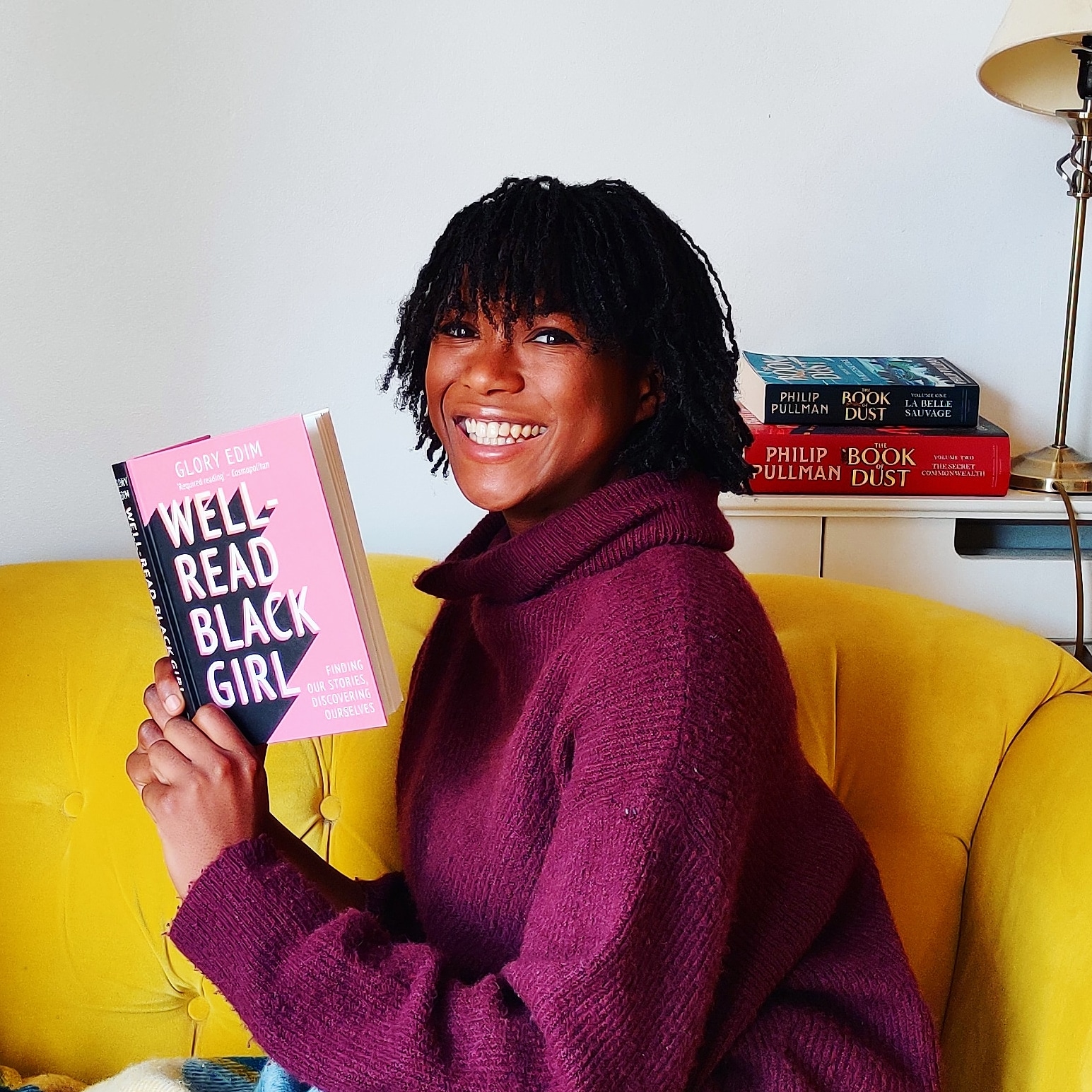

It’s December, which means it’s officially been a year since I “discovered” audiobooks. This has been a huge addition to my life and I’ve loved hearing people narrate their stories to me. I’m about to embark on travelling around South East Asia for a few months so please let me know if you have any audiobook recommendations for those long plane journeys and bus rides? Otherwise happy holidays and, yes, I mean my audiobookaversary!

THE PLOT: ‘The Race to Be Myself’ by Caster Semenya is about an Olympic athlete banned from competing because she was labelled ‘different’. Thrust into the spotlight after winning the 2009 World Championships, Caster Semenya quickly became the centre of a debate about gender in sports. From her rural beginnings running in the dust of her South African village, to accusations about her gender and testosterone levels, Caster shares the many trials she has been forced to endure publicly and privately.

RATING: This is a powerful memoir that recounts the author’s struggles in the public eye and what she has had to endure at the hands of the international athletics federation. While I am not particularly interested in athletics, the element of racial and social disparities in sports for Black women particularly resonated with me. Caster experienced both overt and implicit racism in the way her body was viewed compared to her white counterparts, and it cannot be understated how this affected the way her gender and sex was perceived. The backstory about her upbringing was useful context; however, I felt it could’ve been truncated slightly as the message about being accepted by her family and village was hammered home so much, I was somewhat impatient to get information about her athletics career.
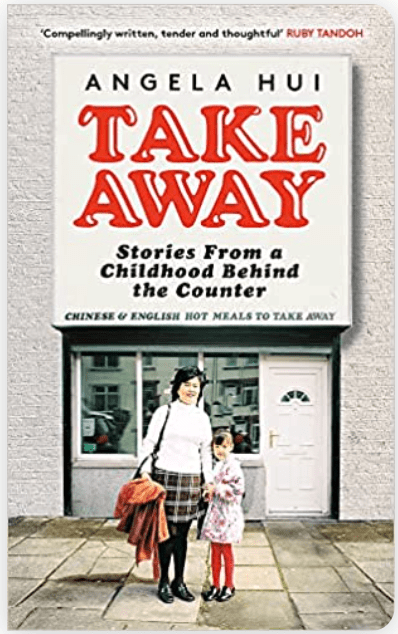
THE PLOT: ‘Takeaway’ by Angela Hui is a memoir about growing up in a Chinese takeaway in rural Wales. At a very young age, Angela Hui was made aware of just how different she and her family were seen by her local community. From attacks on the shopfront (in other words, their home), to verbal abuse from customers, and confrontations that ended with her dad wielding the meat cleaver; life growing up in a takeaway was far from peaceful. But alongside the strife, there was also beauty and joy in the rhythm of life in the takeaway and in being surrounded by the food of her home culture.

RATING: I really enjoyed listening to Angela’s book and felt it gave me a perspective wider than my own. I’ve probably ordered from a hundred takeaways and never truly thought about the people on the other side of the counter, so this book has definitely opened my eyes. Although it could’ve easily fallen into the typical “woe is me” second generation immigrant story, it felt sensitive and balanced as it acknowledged her parents’ trauma growing up with starvation. The juxtaposition between this and the abundance of food in the takeaway, with rich descriptions and recipes interspersed throughout the book, felt extremely poignant and touching. Yet this memoir also felt very honest and raw, exploring the difficulties of her parents’ relationships and truly traumatic incidents, some of which occurred inside the family due to gambling and some due to external racism. This feels like a very British book (yes, including – if not because of – the multiculturalism) and one that we would all benefit from reading.
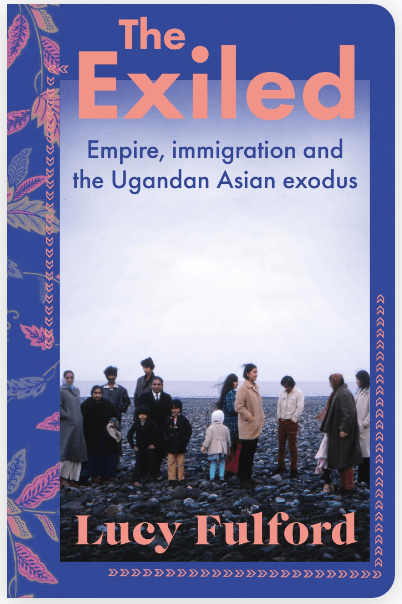
THE PLOT: ‘The Exiled’ by Lucy Fulford is a non-fiction analysis of what happened to the South Asian population of Uganda after they were expelled from the country in 1972. After President Idi Amin’s pronouncement, 50,000 Ugandan Asians vied for limited space in countries including Canada, India and the United Kingdom. Drawing on first-hand interviews and testimonies, including from the author’s family, this book uncovers the true fate of minorities at the end of empire.

RATING: I’ve always been drawn to narratives about migration and post-colonialism, so it was fascinating to learn more about South Asian Ugandans. Tying together the legacy of Empire in India and Africa, the subject of this book is a great example for looking at post-colonial migration as a whole and the disservice done to former colonial subjects. I preferred the sections with first-person narratives and interviews because, let’s face it, I’m a fiction girlie at heart. However, I’d highly recommend this book if you want a deeper analysis of events that you may have seen portrayed in novels, such as ‘Kololo Hill’ and ‘We Are All Birds of Uganda.’

 Amina's Bookshelf