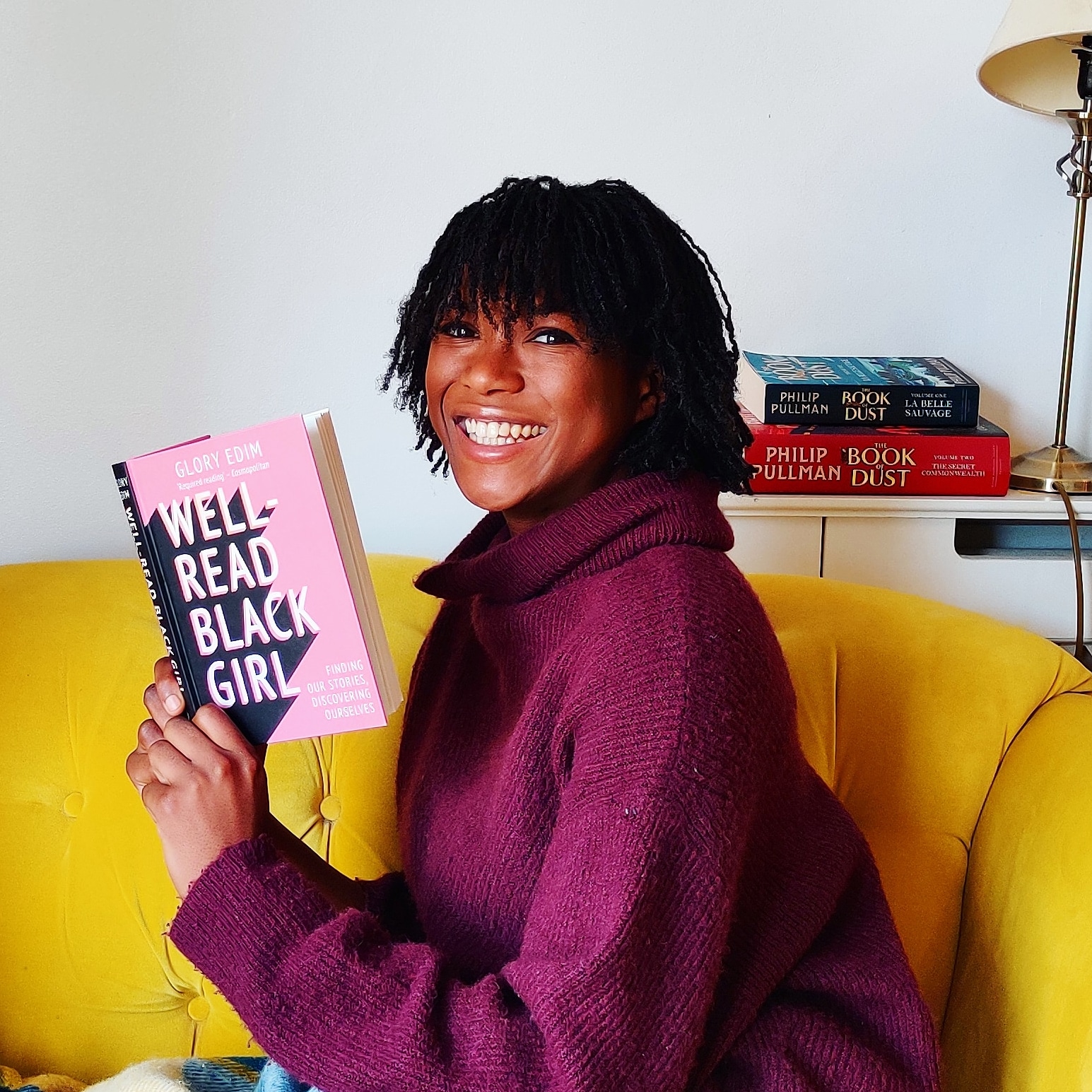
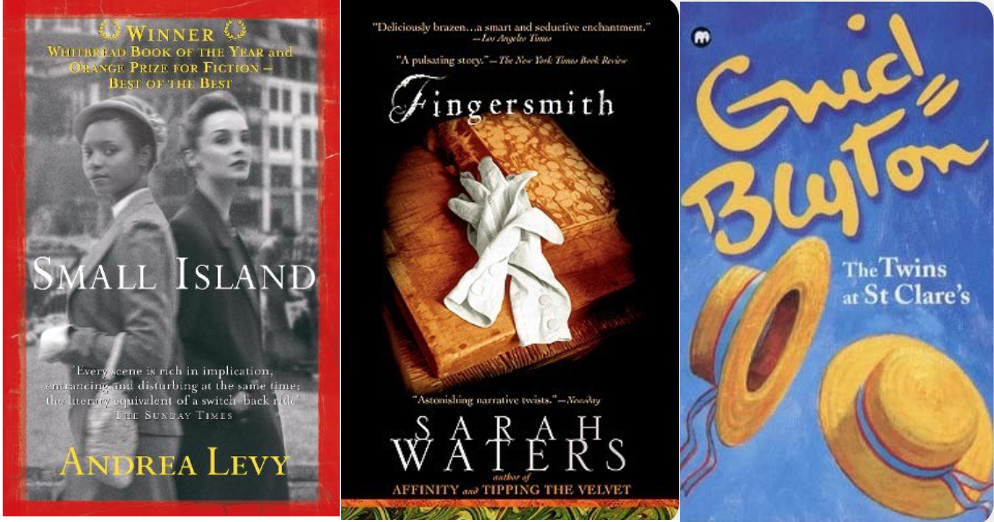
Do you re-read books? When I was younger, I used to read my favourite books over and over again. Yet since starting book reviews in 2018, I’ve been (luckily) bombarded by new releases so I never feel like I have the time to re-read. As this year has been a slower reading year and I’ve been slightly disconnected from bookstagram, I’ve re-read a few old favourites to find my love of books again. It’s been really nice to dive back into these comforting old novels and find some joy. It’s even nicer to get a chance to review them because I (obviously) never did the first time round. These books were all published decades ago so this isn’t completely spoiler free… and I’m not even sorry.
***** ‘Small Island’ by Andrea Levy
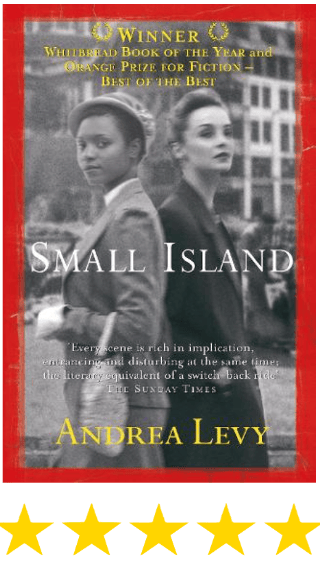
The Plot: ‘Small Island’ is a historical novel about Caribbean immigrants moving to the UK after WWII. Hortense arrives in London from Jamaica in 1948 with her life in her suitcase. She seeks out her husband, Gilbert, who expected to be a perceived as a war hero but finds his status as a black man in Britain to be second class. The couple live with a white landlady, Queenie, who befriends them until the unexpected arrival of her husband, Bernard, who returns from combat with issues of his own to resolve.
The Review: This novel is a gem that absolutely stands the test of time. First published in 2004, I originally read it when I was 15-years-old (over 20 years ago!). Although the bones of the story have remained fresh in my mind, there were several elements that surprised me when re-reading.
Firstly, I forgot how much of this novel takes place during WWII. A dual-timeline narrative, it’s as much about Gilbert, Queenie and Bernard’s experiences during the war as Hortense’s post-war arrival in Britain. Secondly, I didn’t realise there were four POVs – in my memory it was just Hortense and Queenie. Thirdly, I forgot how unlikeable Hortense is. I’ve always remembered the character fondly but she’s so snobbish and cold. For me, this makes the story even better and more relatable.
The novel highlights everyone’s imperfections which makes them realistic and makes the character development seem even more triumphant. For example, I enjoyed Bernard’s POV and explanation of his racism. I found the depiction of British forces in India (rather than the usual story of war in Europe) really added to the novel as it provided a great contrast seeing the British Empire in both India and the Caribbean.
I can never fully summate how perfect this novel is. It’s a masterclass in storytelling. The exciting plot, engaging characters and clever structure – the themes are layered and reinforced in every aspect. So many elements tie together and build to an exciting and satisfying and heart-breaking ending. Honestly, after writing this review I want to pick it up and read it all over again.
‘Fingersmith’ by Sarah Waters
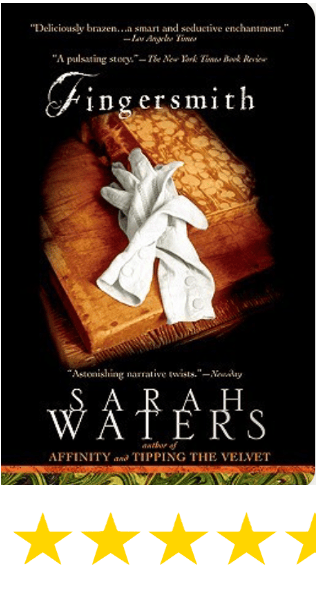
The Plot: ‘Fingersmith’ is a historical novel about criminals living in Victorian London. Sue is an orphan, left as an infant in the care of Mrs Sucksby, a “baby farmer,” who raised her with unusual tenderness. One day, an elegant con man arrives at Mrs Sucksby’s den of thieves in Borough. He has an enticing proposition for Sue: If she wins a position as the maid to Maud Lilly, a naïve gentlewoman, and aids him in her seduction, then they will all share in Maud’s vast inheritance. Once the inheritance is secured, Maud will be forced into a lunatic asylum. To please Mrs Sucksby, Sue agrees to the plan. Once in, however, Sue begins to pity and care for Maud Lilly in unexpected ways.
The Review: Although it’s been decades since my first reading of this book, I always remember this novel as having the best plot twist ever. The big reveal will certainly make new readers gasp and I will not say more to prevent spoilers.
However, I’m not rating this book five stars because I found myself drifting and re-reading sections. The writing just felt slow and a tad laboured. I consumed this book in both physical and audiobook format. It’s very rare for me to switch back-and-forth between the two, which might account for the repetition and confusion. But, on a re-read, I’m also less sure about Mrs Sucksby’s motivation.
The novel is a lot more gothic than I remembered and it’s got a great atmosphere. I loved Sue and Maud’s relationship, although there was more romance in my memory. Overall, a great novel and one I’ll always recommend.
‘The Twins at St Clare’s’ by Enid Blyton
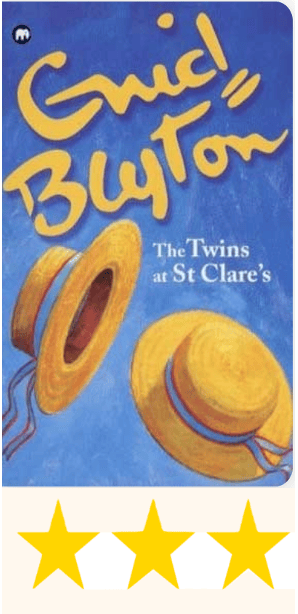
The Plot: ‘The Twins at St Clare’s’ is a novel about two twins starting a new boarding school in 1940’s England. Pat and Isabel, the O’Sullivan twins, are thoroughly annoyed to be leaving their old school to attend St Clare’s. Used to being the cream of the crop, they wanted to attend a fancier school instead. They have several shocks and arguments before they realise that their snobbery could be the reason for their difficulties.
The Review: Like many authors of her generation Enid Blyton is now considered problematic. Her stories contain many outdated racist stereotypes and glorify a British upper-class upbringing. Yet I loved this series as a kid so I re-read this book because I wanted to indulge in the nostalgia.
First published in 1941, the writing really doesn’t hold up to my adult sensibilities. The sentences are simple and repetitive, but I must acknowledge that may be good for a children’s book aimed at 8-year-olds.
I wouldn’t stop my own children from reading this and think there is something comforting in it. St Clare’s is a perfect school with a great sense of fairness and justice, where everything works out in the end. The themes always stress the importance of hard work and trying your best. The series also includes strong examples of children navigating conflict, creating friendships and accepting ‘new girls’ who may seem awkward or different at first.
Overall, I read it very quickly and enjoyed it, but wouldn’t rush to re-read the rest of the series.


